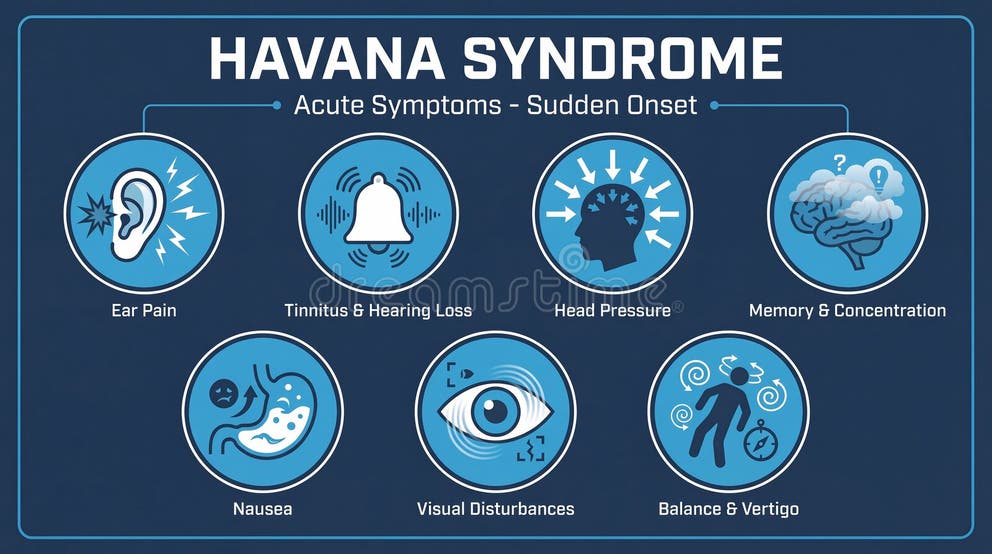
Unraveling the Mysteries: Havana Syndrome and Morgellons DiseaseIn the realm of medical enigmas, few conditions spark as much debate and intrigue as Havana Syndrome and Morgellons Disease. Both have captured public attention due to their unexplained symptoms, controversial etiologies, and the divide between patient experiences and scientific consensus. Havana Syndrome, first reported among U.S. diplomats in Cuba, involves neurological complaints potentially linked to external factors like directed energy weapons. Morgellons Disease, on the other hand, is characterized by dermatological issues where sufferers report fibers emerging from their skin, often dismissed as psychological. As of March 2026, ongoing research continues to shed light on these syndromes, but mysteries persist. This article explores their histories, symptoms, theories, and the broader implications for medicine and society.Havana Syndrome: The Diplomatic DilemmaHavana Syndrome, also known as Anomalous Health Incidents (AHI), emerged in late 2016 when U.S. and Canadian embassy staff in Havana, Cuba, reported sudden onset of debilitating symptoms. These included severe headaches, vertigo, nausea, ringing in the ears (tinnitus), and cognitive impairments such as memory loss and difficulty concentrating.Victims often described hearing strange sounds like buzzing or grinding before symptoms appeared, leading to initial theories of sonic attacks.By 2026, cases have been reported worldwide, from China and Russia to Europe and even the U.S., affecting diplomats, intelligence officers, and military personnel. A map of global incidents highlights hotspots in Havana, but also in places like Germany and Norway. Medical studies, including those from the National Institutes of Health (NIH), have documented genuine symptoms but found no consistent evidence of brain injury or biological abnormalities on MRI scans. Infographic on Acute Symptoms of Havana Syndrome Stock Illustration – Illustration of visual, educational: Long-term effects can be profound, with chronic issues like insomnia, depression, and impaired balance persisting for months or years. As illustrated in symptom infographics, acute phases involve sudden ear pain and visual disturbances, transitioning to lingering neurological challenges.Theories and Controversies Surrounding Havana SyndromeThe cause of Havana Syndrome remains hotly contested. Early intelligence assessments in 2023 concluded it was “very unlikely” a foreign adversary used a novel weapon, with five out of seven agencies agreeing, though two dissented. However, 2026 has seen a resurgence of the directed-energy weapon theory. Reports reveal the Pentagon acquired a backpack-sized device emitting pulsed radio waves, containing Russian components, purchased in an undercover operation costing eight figures. This device is under study, fueling speculation of Russian involvement. notable experiment in Norway added to the debate: a skeptical researcher built a microwave-emitting device and tested it on himself in 2024, later developing symptoms akin to Havana Syndrome. U.S. officials reviewed these findings, prompting calls from figures like House Intelligence Committee Chairman Rick Crawford to retract earlier reports denying foreign causation. Critics, including some in the CIA, allege a cover-up, with new intelligence suggesting possible foreign weapons despite the overall “very unlikely” assessment. Alternative explanations include stress-related psychogenic illness, environmental factors, or even mass hysteria. Has Conferences like the Foreign Policy Research Institute’s 2026 event emphasize the need for multidisciplinary approaches, involving medical experts and victims to unravel operational realities.66b6bc Geopolitical tensions, particularly with Russia, complicate objective analysis, but substantiated evidence points to a potential hybrid of technological and psychological factors.Morgellons Disease: The Skin’s Silent ScreamMorgellons Disease is a rare condition where individuals report chronic skin wounds from which colorful fibers—black, white, red, or blue—appear to emerge or protrude.193ec8 Accompanying sensations include intense itching, crawling under the skin (formication), and painful sores that heal slowly. First coined in 2002, it draws from historical descriptions but gained traction through online communities. Prevalence is estimated at 3.65 per 100,000 people, though underreporting is likely due to stigma. Morgellons disease: Pictures, causes, symptoms, and moreVisual examinations often show lesions on the back, arms, or scalp, with fibers visible under magnification. Research indicates these fibers are typically composed of keratin, collagen, or cellulose from environmental sources like cotton, not parasites.46d719cc7b46Medical Consensus and Debates on MorgellonsThe mainstream medical view classifies Morgellons as a form of delusional parasitosis or delusional infestation, a psychiatric condition where patients falsely believe they are infested despite no evidence. A landmark 2012 CDC study of 115 cases found no infectious cause, attributing fibers to external contaminants.325c9c Psychiatric comorbidities, substance abuse, and environmental triggers are often cited.8da8e9However, some researchers link it to Lyme disease or tick-borne infections, with Borrelia spirochetes potentially playing a role. Patient advocacy groups argue it’s a biological disorder, criticizing the psychiatric label as dismissive. A 2025 review calls for standardized criteria and randomized trials to resolve the debate, noting hypotheses from infectious to neurobiological origins Lay media and online forums amplify controversies, potentially influencing public perception as a “culture-bound syndrome.”Treatment remains challenging; antipsychotics like olanzapine help some, while others seek antibiotics for presumed infections. Holistic approaches integrating dermatology and psychiatry are recommended. Morgellons Disease: The Basics — Donovan Hair ClinicSimilarities, Differences, and Lessons LearnedBoth syndromes share themes of unexplained symptoms, patient frustration with medical dismissal, and online communities fueling alternative theories. Havana Syndrome’s geopolitical angle contrasts with Morgellons’ focus on personal dermatological distress, but both highlight the psychosomatic interplay—where real symptoms may stem from perceived threats. Differences lie in evidence: Havana has tangible device investigations, while Morgellons leans heavily psychiatric.As research evolves, these conditions underscore the need for empathy, rigorous science, and interdisciplinary collaboration. In 2026, with devices under scrutiny for Havana and calls for consensus on Morgellons, hope lies in bridging divides to provide relief and answers.