
Kevin Smith. Ryan Seacrest, al Sharpton, Karen Goldberg AkA whoopi, Kelly and Sharon Ozborn. What do they all have in common? They all look like death thanks to magic bullet weight loss shot and pill. Synthetic Gilla monster lizard venom Aka the diabetes medicine, (Hidden Cost of Turning Diabetes Drugs into Weight-Loss Shortcuts
In the past few years, medications developed to treat type 2 diabetes—most notably GLP-1 receptor agonists such as semaglutide and similar drugs—have crossed into mainstream use as potent weight-loss treatments. For many people struggling with obesity, these medicines can be transformative when used under medical supervision. But as demand has surged, so has misuse, leading to troubling physical and social consequences that deserve attention.
What’s happening Originally prescribed to improve blood sugar control, GLP-1 drugs reduce appetite and slow gastric emptying, which often produces significant weight loss. That effectiveness, combined with celebrity visibility and social-media hype, has driven off‑label use and self-directed dosing. Some people obtain these drugs without appropriate screening, monitoring, or guidance—and some escalate doses trying to chase faster or greater results.
Visible harms and why people look unwell When used improperly or without medical oversight, these drugs can produce physical changes that make users appear gaunt, frail, or unhealthy. Contributing factors include:
Excessive, rapid weight loss that reduces both fat and muscle mass, producing a hollowed, emaciated appearance.
Dehydration and electrolyte imbalances from reduced food and fluid intake or side effects like vomiting and diarrhea.
Nutrient deficiencies because smaller, less frequent meals or malabsorption reduce intake of protein, vitamins, and minerals.
Facial fat loss and skin changes that emphasize bones and deepen hollows under the eyes and cheeks.
Fatigue, dizziness, and pallor from low calorie intake or unmanaged blood sugar changes.
Combined, these effects can make someone look much older or visibly unwell—leading observers to say they “look like they’re dying,” which is stigmatizing but reflects real, distressing visible decline.
Medical and mental-health risks Beyond appearance, misuse carries real health risks:
Hypoglycemia (especially if combined with other diabetes medications).
Gallbladder disease and rapid formation of gallstones.
Gastrointestinal distress and persistent nausea or vomiting.
Malnutrition, muscle wasting, and bone density loss over prolonged extreme calorie restriction.
Psychological harm, including body-image disturbance, disordered eating behaviors, and anxiety about weight.
Unknown long-term effects when drugs are used at higher-than-recommended doses or long term without study.
Social and ethical consequences The normalization of these drugs as a “quick fix” shifts social pressure onto bodies and can fuel unhealthy comparisons. People struggling with weight may feel compelled to take medical risks to meet aesthetic ideals. At the same time, those who have legitimate medical need for these drugs may face stigma or shortages when the medicines are diverted for cosmetic use. Equity concerns also arise when people without diabetes access powerful drugs intended for chronic disease management.
What to watch for (signs of misuse or harm)
Rapid weight loss (weeks to a few months) without clear medical plan.
Marked loss of muscle tone, sunken facial features, visible ribs or collarbones.
Persistent nausea, vomiting, or refusal to eat.
Lightheadedness, fainting, or repeated low blood sugar events.
Social withdrawal, obsessive focus on weight, or disordered eating patterns.
What responsible care looks like
Use only under a clinician’s supervision with appropriate dosing, lab monitoring, and follow-up.
Screen for eating disorders and mental-health concerns before starting therapy.
Prioritize nutrition and resistance exercise to preserve muscle mass during weight loss.
Adjust or stop medication if adverse effects develop; treat dehydration, electrolyte or nutrient deficiencies promptly.
For those concerned about appearance or rapid loss, seek medical and mental-health support rather than increasing dose.
If you’re worried about someone Approach the person with compassion, not judgment. Encourage a medical evaluation, offer to help make an appointment, and express concern about symptoms like fainting, severe fatigue, persistent vomiting, or signs of malnutrition—those require urgent medical attention.
Conclusion GLP-1 and related diabetes medications have therapeutic value and can be life-changing when used appropriately. But their spread into unsupervised weight-loss use has produced visible, sometimes severe harms: people who look gaunt, frail, or visibly unwell; medical complications; and troubling social consequences. The solution is better education, equitable access to comprehensive obesity care, careful prescribing and monitoring, and reducing social pressure that equates thinness with health. If you or someone you know is experiencing concerning symptoms while using these drugs, seek medical care promptly.



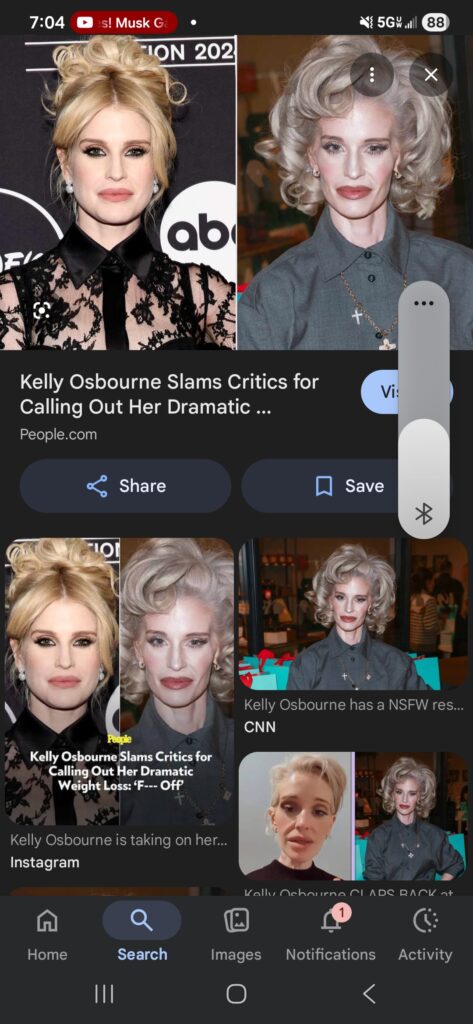

Please ladies we are going backwards! Men love a nice fat ass!!